Gear Finder

Answer six quick questions and get a practical plan: which type of backup power fits, how much capacity to aim for, and what to verify before you spend anything.

Setup questions

1. What do you need to power?

Each use case carries a realistic baseline wattage from our setup research.

2. How long does it need to run?
3. How do you want to spend?
4. How portable does it need to be?
5. Do you want solar recharging?
6. Where will it run?

Runs entirely on this page — answers are not sent or stored.

How the Gear Finder works

  • It starts from a realistic baseline. Each use case carries a typical wattage drawn from mainstream device ranges — the same data behind our guides and the Device Wattage Library.
  • It sizes with the same math as our calculators. Your hours run through the Power Station Sizing formula with an 85% inverter-efficiency assumption and a 10% reserve — nothing hidden, nothing different. See how we estimate.
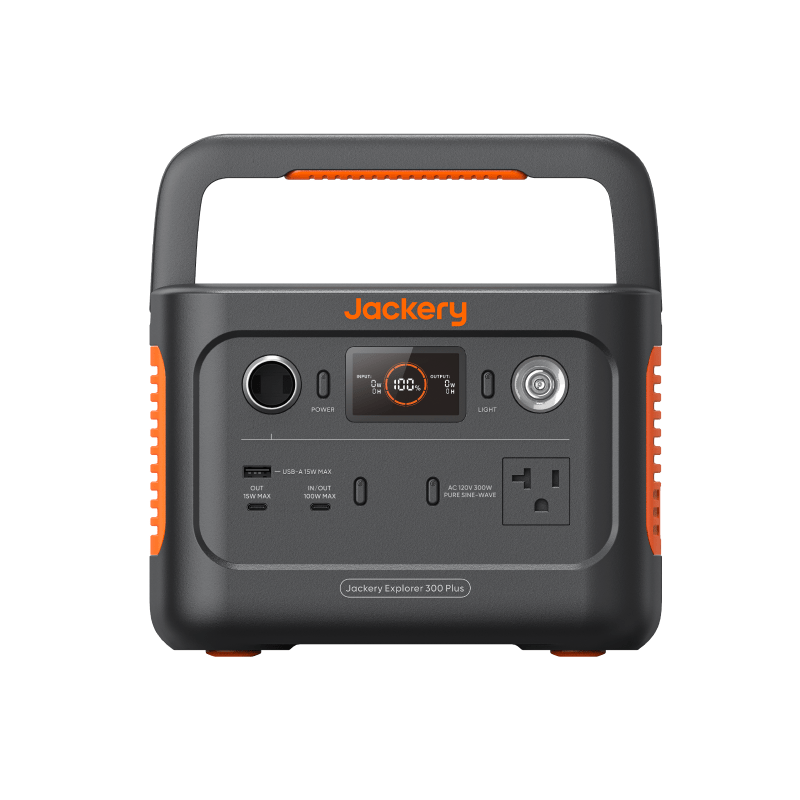
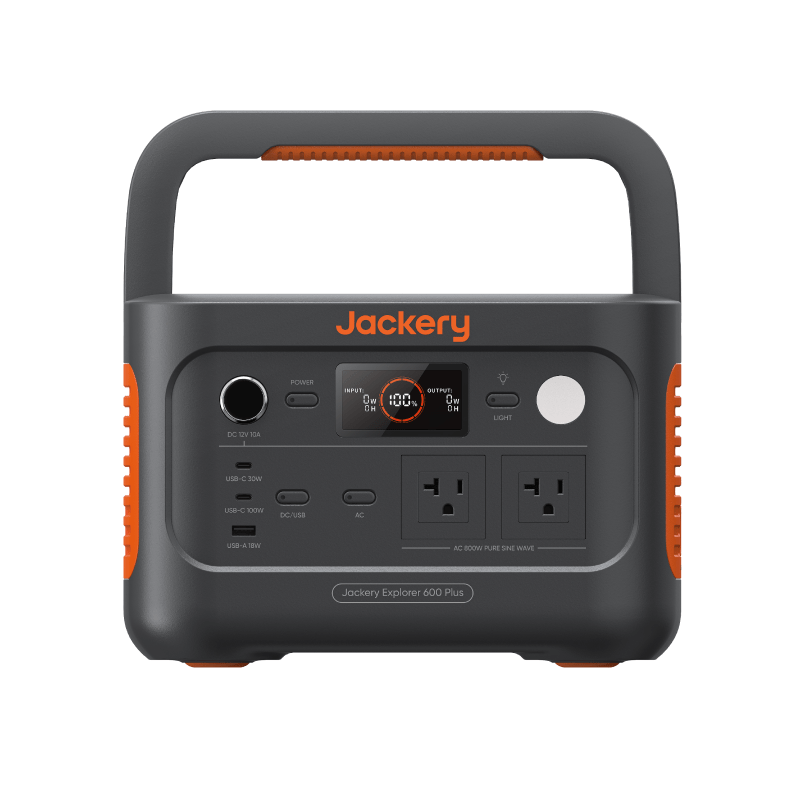
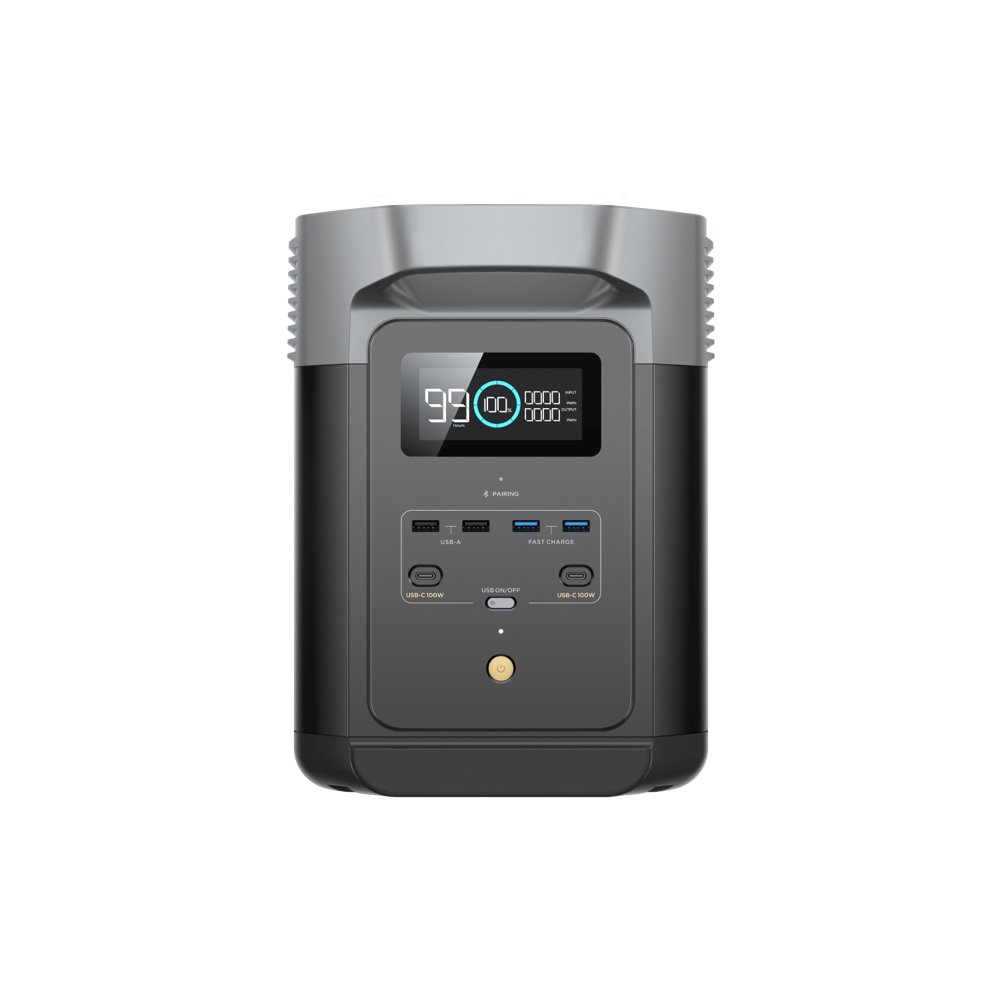
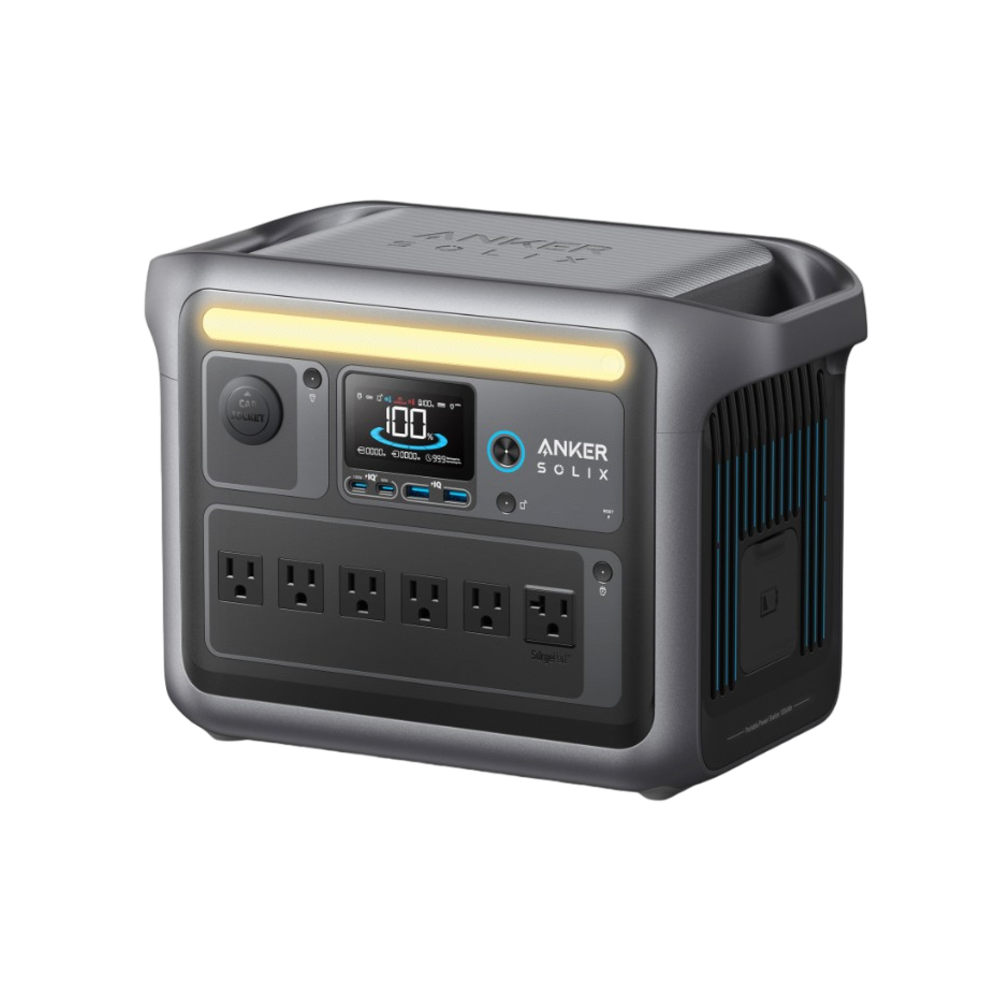
  • It matches you to a capacity class, not a product. You get a class, honest trade-off notes, and example gear to compare — always verify real spec sheets before buying.

Frequently asked questions

Why does the Gear Finder never recommend a generator?

We focus on battery-based backup — power stations, UPS units, and power banks — because they are safe to run indoors and straightforward to estimate. Fuel generators must never run indoors, and sizing them safely is outside what this tool estimates, so we do not recommend generators.

How accurate is the recommended capacity?

It is an estimate built from a typical wattage for your use case, an 85% inverter-efficiency assumption, and a 10% reserve — the same math as our Power Station Sizing Calculator. Your real devices may draw more or less, so measure them or look them up in the Device Wattage Library, then verify with the Battery Runtime Calculator before buying.

What if none of the use cases match mine?

Pick the closest one to get a starting point, then refine with the Power Station Sizing Calculator using your own wattage and hours. The capacity classes and the check-before-buying lists apply to almost any small-electronics setup.