Solar Recharge Calculator
Solar panel labels describe lab conditions. This calculator estimates what a panel really delivers per day at your local peak sun hours, and how many days a full power station recharge takes — so you can size the panel before you buy it.
Check your solar recharge
Results update as you type. Every assumption is adjustable.
Charge gauge: one day of sun refills about 63 percent of the battery. Estimated full recharge 1.6 days.
1.6 days
GOAssuming similar sun each day and nothing drawing power while it charges.
From a 200W panel over 4.5 peak sun hours at70% system efficiency.
On label math alone, a full recharge would take5 hr(5.00 hours) of rated output. Real charging takes longer because clouds, panel angle, temperature, and the battery’s slowing charge curve all cut output below the rating.
Keep this plan current
Get the printable planning checklist now, plus short notes when a pick on this page changes or genuinely drops in price. Occasional only — unsubscribe anytime.
How this is calculated
All three figures come from the solar formula in our shared calculation library:
dailyWh = solarWatts * sunHours * (efficiency / 100)daysToRecharge = batteryWh / dailyWhidealHours = batteryWh / solarWattsIn plain English: a panel’s rating describes a lab — perfect angle, full sun, cool panel. Real setups deliver less, so we multiply the rated watts by your daily peak sun hours and then by a system efficiency that covers panel angle, heat, cable and charge-controller losses, and the slower final stage of a battery’s charge curve. That gives the realistic daily energy. Dividing the battery’s capacity by it gives days to recharge; the ideal-hours figure shows what the label math would promise, for contrast.
Default assumptions
- 70% system efficiency — a fair real-world derating for a portable panel that is reasonably aimed. Poorly angled or partly shaded panels do worse.
- 4.5 peak sun hours — mid-range for the continental US. Your region and season may sit anywhere from about 3 to 6.
- No loads while charging — running devices during the recharge stretches these times out.
The full method — and why we picked these defaults — is onHow we estimate.
What to do with this number
Some links on this page may be paid links. If you buy through them, Cynosure LLC may earn a commission at no extra cost to you. We do not claim to have personally tested products unless clearly stated.
Example solar charging pieces
A workable solar recharge setup is usually a panel, a station sized for your loads, and the right cables. These picks show category-typical specs — always confirm connector types and input limits before buying.
Some links on this page may be paid links. If you buy through them, Cynosure LLC may earn a commission at no extra cost to you. We do not claim to have personally tested products unless clearly stated.
| Product | Capacity | Output | Ports | Weight | Est. price | Ideal for | Link |
|---|---|---|---|---|---|---|---|
| Jackery SolarSaga 100 Air Solar PanelJackery | — | 100W panel | DC output to power station (100W max), USB-C, USB-A | 7.1 lb | $250–$300 | Recharging 300–1,000Wh stations off-grid, Camping trips longer than a weekend, Keeping a small station topped up during extended outages | See current price |
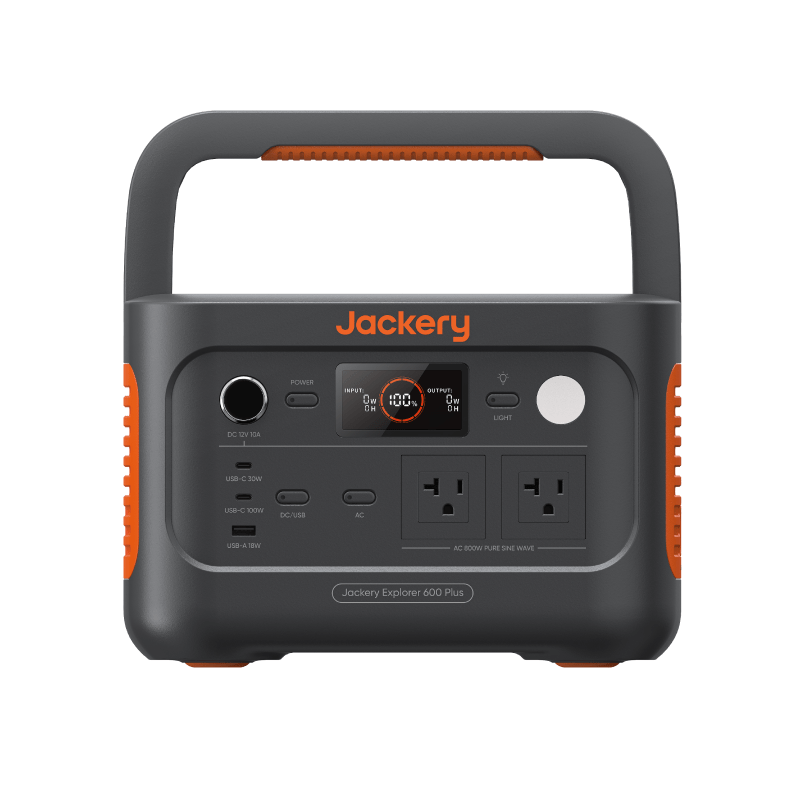
| Jackery Explorer 600 Plus Portable Power StationJackery | 632Wh | 800W AC | AC ×2 (800W total, 1600W surge), USB-C 100W, USB-C 30W, USB-A 18W, 12V car port | 16.1 lb | $300–$500 | A full laptop workday plus phone charging, A day or more of router and modem backup, Weekend camping electronics, Fans, lights, and a CPAP-class device together | See current price |
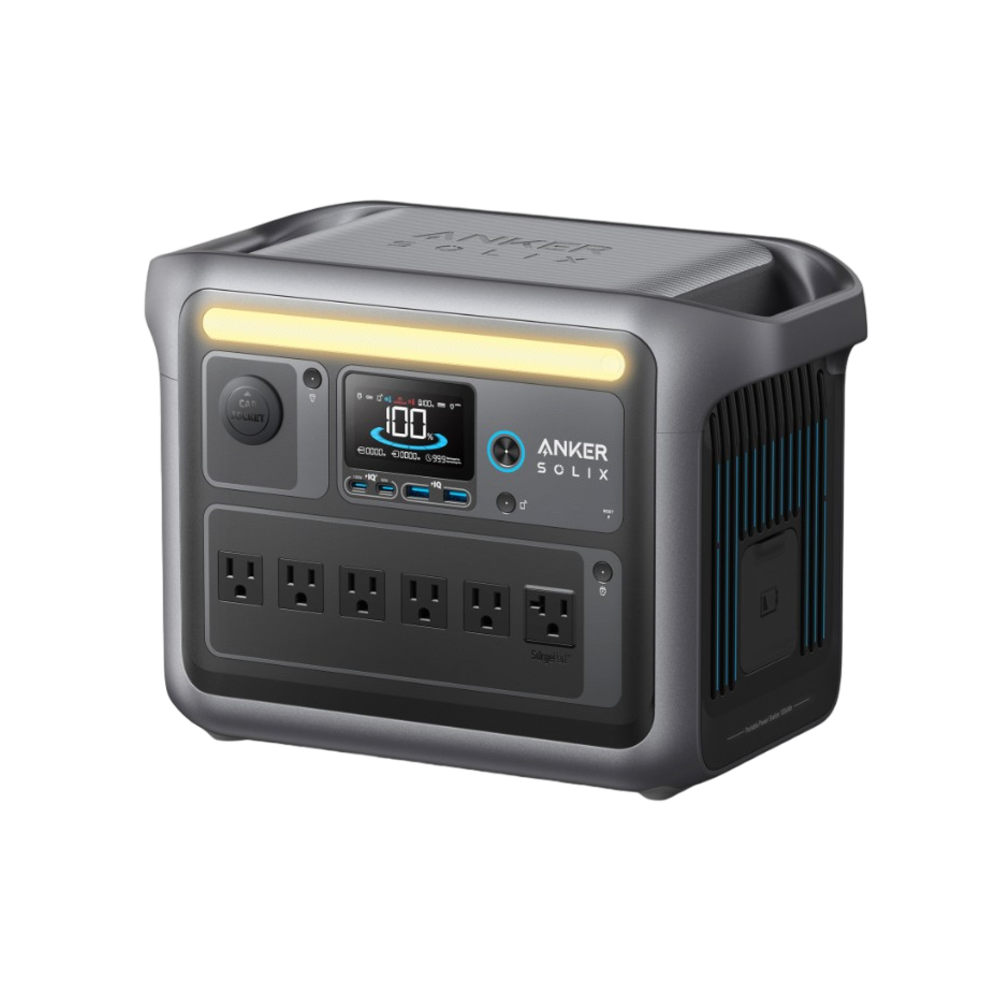
| Anker SOLIX C1000 Portable Power StationAnker | 1,056Wh | 1,800W AC | AC ×6 (1800W total, 2400W surge), USB-C 100W, USB-C 30W, USB-A ×2 (12W), 12V car port (120W) | 28.4 lb | $400–$650 | Multi-day phone and internet backup, A full-size or mini fridge in duty cycles (1800W continuous, 2400W surge), Family camping trips with several devices at once, Fast top-ups between outages — 80% in 43 minutes from the wall | See current price |
| DC charging cables & adaptersBy category | — | — | XT60 to DC5521/5525, 12V car plug adapter, Barrel size adapter set | 0.5–1.5 lb | $20–$50 | Running 12V devices straight from a station's DC port, Connecting solar panels to power stations, Skipping the AC inverter to stretch battery life | Shop on Amazon |
Prices last checked 2026-07-08; review overdue — verify current listings
Specific products we recommend for a solar setup — we have not hands-on tested them, so verify the panel connector, the station’s maximum solar input, and cable ratings on the current listings. Commissioned links, at no extra cost to you.
Frequently asked questions
What are peak sun hours, and how many should I enter?
A peak sun hour is one hour of sunlight strong enough to deliver about 1,000 watts per square meter — the intensity panels are rated at. Most of the continental US averages roughly 3 to 6 peak sun hours per day depending on region and season, which is why our default is 4.5. Public solar resource maps list typical values for your area.
How much worse does solar charging get in winter?
Often half of summer output or less. Days are shorter, the sun sits lower so a panel at the same angle catches less energy, and cloudy stretches last longer. If winter outages are part of your plan, size the panel using your winter peak sun hours rather than the annual average, or plan a backup way to recharge.
Can I connect two panels in series or parallel to charge faster?
Usually yes, within the power station’s limits. Series wiring adds panel voltages together; parallel wiring adds current. Either way, the combined figures must stay inside the station’s maximum solar input voltage, current, and wattage. Check the input specification before buying a second panel — exceeding the voltage limit can damage the charge controller.
Can I use the power station while it recharges from solar?
Many stations support pass-through use, but every watt your devices draw is a watt not going into the battery, so charging slows or stalls. This calculator assumes nothing is drawing power during the recharge. If you plan to run loads while charging, expect longer recharge times and verify that the manufacturer supports pass-through use.
Calculations are estimates only. Real runtime depends on battery age, inverter efficiency, device behavior, temperature, surge loads, manufacturer limits, and actual measured wattage. Always verify product specifications before buying or relying on a setup.
Solar estimates vary more than anything else on this site. Weather, season, latitude, shading, and panel angle can each cut real output well below these figures — treat sunny-day results as a best case.
Affiliate disclosure
Some links on this page may be paid links. If you buy through them, Cynosure LLC may earn a commission at no extra cost to you. We do not claim to have personally tested products unless clearly stated.