When the power drops, the food in your fridge is not in immediate danger. It sits inside an insulated box that was cold when the lights went out, and the federal agencies that own this topic publish exactly how long that cold lasts. Most people look the numbers up while the clock is already running, with the door half open.
This guide lays the sequence out ahead of time, preflight style: the official windows, what to stage before an outage, what to do in the first minute, and how ice, coolers, and batteries can help preserve cold. If the power is already out, open the Fridge & Freezer Outage Clock to keep the planning countdown separate from the food decision. In 2024, the average U.S. electricity customer went about 11 hours without power, the most in a decade, according to the U.S. Energy Information Administration, and most of those hours came from a few long weather-driven outages, exactly the kind your fridge cares about.
The official clock, by the numbers
FDA and USDA agree on the core windows:
| Where the food is | Safe window with the door closed |
|---|---|
| Refrigerator | About 4 hours |
| Full freezer | About 48 hours |
| Half-full freezer | About 24 hours |
Two temperatures anchor everything. A refrigerator should hold food at or below 40°F, and a freezer at 0°F. The discard rule follows from the first number: perishable food (meat, poultry, seafood, milk, eggs, leftovers) that spends 4 hours or more above 40°F should be thrown out, regardless of how it looks or smells.
Notice what the windows assume: the door stays closed. Every opening spends part of the window, which is why the whole plan below is built around opening each door as few times as possible, ideally once.
The rules also quietly require a way to know the temperature. That means appliance thermometers, one in the fridge and one in the freezer, bought before you need them. They cost a few dollars and convert the end of an outage from guesswork into a reading.
Before the outage: the preflight
Everything on this list is cheap, and all of it has to happen before the lights flicker:
- Install two appliance thermometers. Fridge and freezer. This is the instrument panel for every decision that follows.
- Freeze water bottles. They act as thermal mass in the freezer, become the ice for your cooler during an outage, and turn into drinking water as they melt.
- Keep the freezer consolidated. A full freezer holds safe temperatures twice as long as a half-full one, so group food into one dense block and fill dead space with those water bottles.
- Know your cooler. Confirm it actually fits the perishables you’d move: meat, dairy, and leftovers, not condiments.
- Know your ice sources. Which nearby stores sell bagged ice, and whether anyone local sells dry ice for freezer extension.
- When a storm is forecast: set the fridge and freezer to their coldest settings, and move the next day’s food and drinks to one shelf so a single opening retrieves all of it.
The moment power drops
Three actions, one minute:
- Note the time. Sticky note on the fridge or a phone note. Every decision for the next two days keys off this timestamp.
- Doors stay closed. Tell the household. The fridge’s 4 hours and the freezer’s 24 to 48 are yours to spend, and door openings are the only way to waste them.
- Check the scale of the outage. Your utility’s outage map or a neighbor two streets over tells you whether this is a blown fuse or a weather event.
Hours 0 to 4: the refrigerator window
If power is clearly coming back within 4 hours, the correct move is to do nothing. The fridge is handling it.
If the outage looks longer, USDA’s guidance is to move refrigerated perishables to a cooler with enough ice or frozen gel packs to hold them at 40°F or below. Do it as one planned operation before the 4-hour window closes: cooler staged, ice ready, then one fridge opening that removes everything on the priority list. Meat, poultry, seafood, milk, eggs, and leftovers go in; shelf-stable items stay put and don’t spend your ice.
The pre-frozen water bottles from the preflight make this step nearly free. Bagged ice works too, but during a regional outage the nearest store’s ice case empties fast, so sourcing belongs in the preflight, not hour three.
Hours 4 to 48: the freezer holds the line
The freezer is the quiet hero of a long outage: full and unopened it protects its contents for about two days, half full for one. Two disciplines keep those numbers real:
- Don’t peek. Checking “how it’s doing” costs cold and answers nothing a thermometer can’t answer at the end.
- Extend with dry ice if the outage will outlast the window. Per FDA, 50 pounds keeps an 18-cubic-foot fully stocked freezer cold for 2 days. Follow the supplier’s handling instructions, and plan the freezer opening like the fridge move: once, deliberately.
The honest math on battery backup
Here’s the framing most battery marketing skips: a battery does not need to carry your fridge from minute one. The closed refrigerator covers its first 4 hours for free, and the freezer covers one to two days on its own. The battery’s job is to extend those windows when an outage runs long, and that job has a price.
Using this site’s standard assumptions (85% inverter efficiency, 10% reserve):
- A mini fridge averaging 45W needs roughly 1,400Wh to run for 24 hours. That’s the 1,000 to 2,000Wh class.
- A full-size fridge averaging 120W needs roughly 1,900Wh for 12 hours and 3,800Wh for 24 hours. That’s the largest class, or multiple units.
Both wattages are duty-cycle averages; our guide to how many watts a refrigerator uses shows how to measure yours.
Two caveats, both covered in depth in our small fridge backup power guide. First, capacity alone isn’t enough: the station’s inverter must tolerate the compressor’s start-up surge, often several times its running draw. Second, do not use an unsourced on/off schedule as proof that food stayed safe. If you power the appliance intermittently to conserve battery, use appliance and food thermometers to verify temperatures, follow the manufacturer’s limits, and apply the official food-by-food guidance after the outage. Compressor loads are also a leading reason runtime estimates go wrong, so treat any single number, including ours, as an estimate with published assumptions.
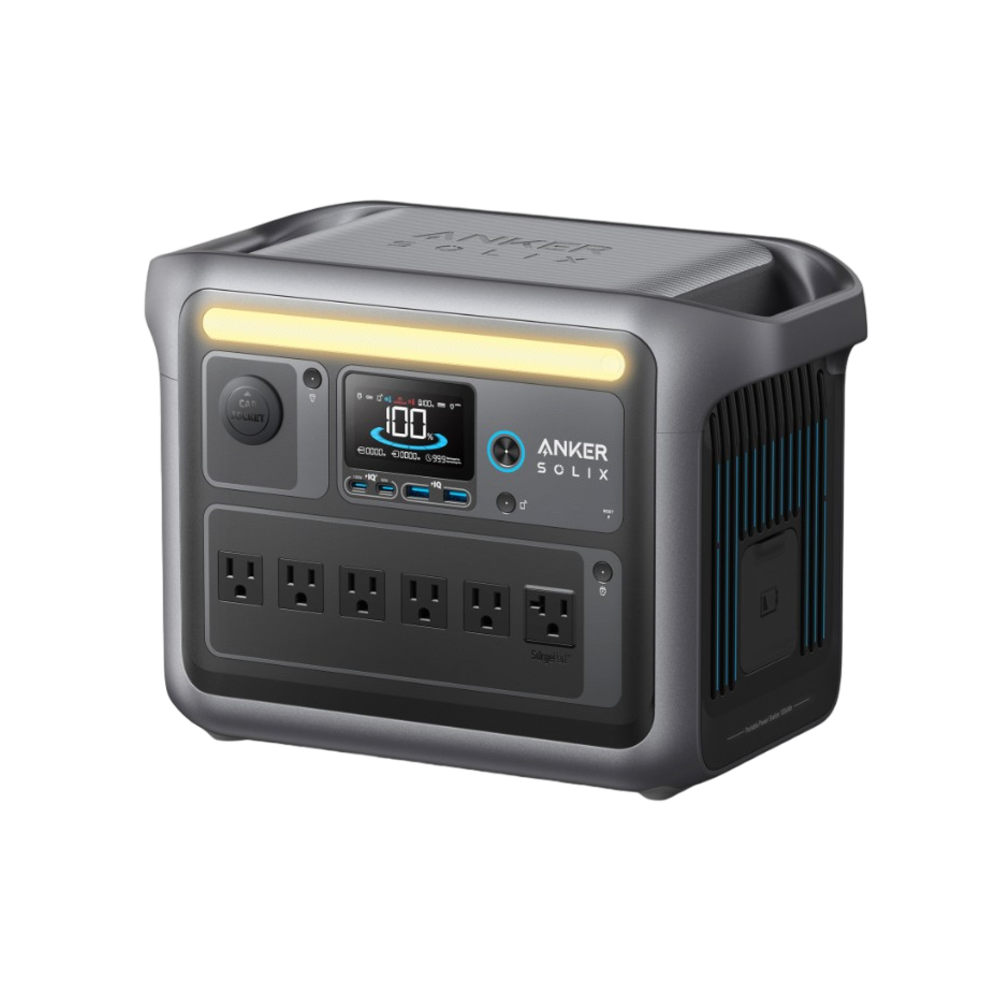
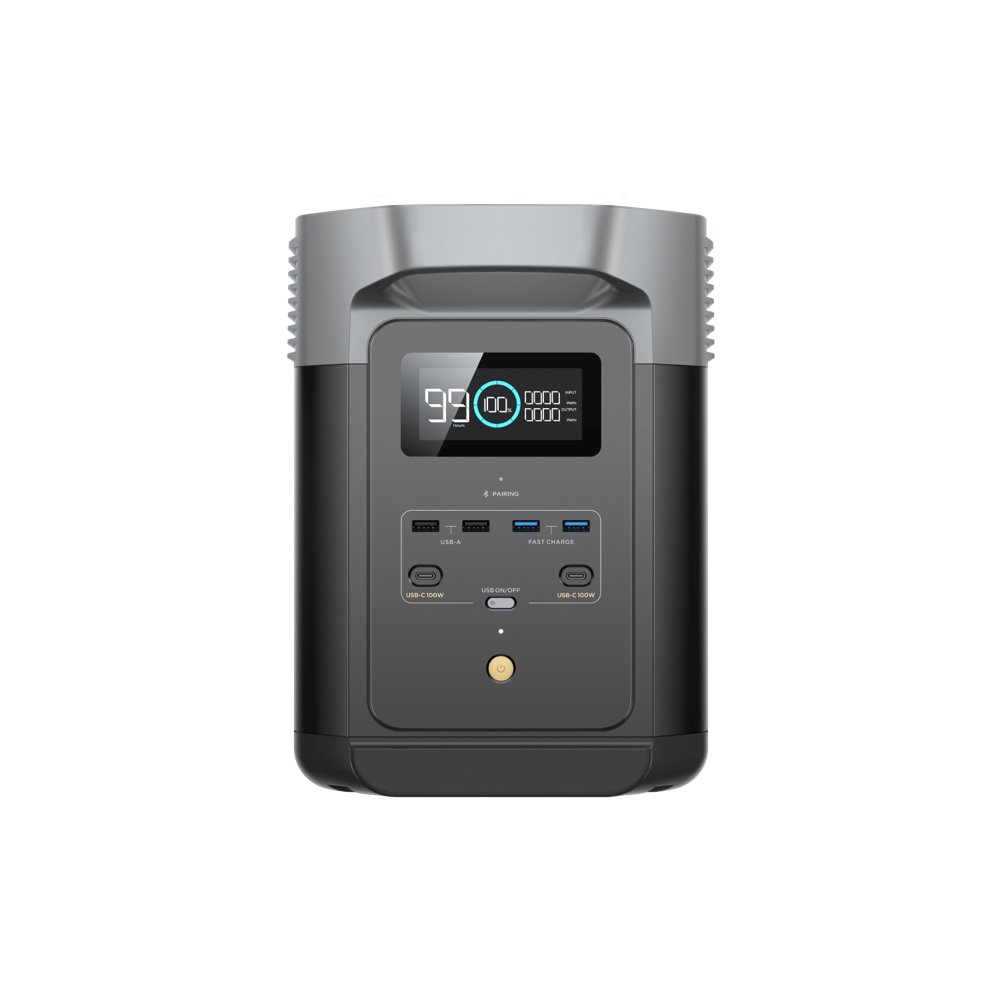
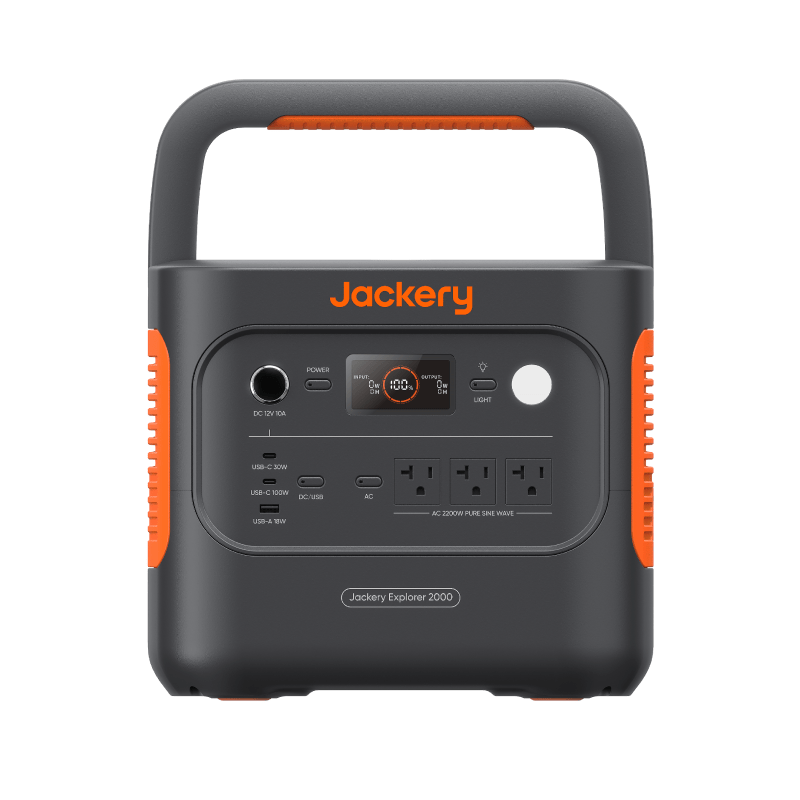
The honest verdict: for outages under a day or two, ice and closed doors usually win on cost. A battery earns its price when your outages are frequent or multi-day, or when you’re buying a large station for other reasons and food protection rides along. To see how many hours a station you own or are considering would buy your fridge, run it through the Battery Runtime Calculator.
When power returns
Now the thermometers pay for themselves:
- Fridge reads 40°F or below: the contents are fine.
- Individual foods: FDA advises that perishables measuring 45°F or below on a food thermometer should be safe, but should be cooked and eaten as soon as possible.
- Perishables that spent 4 hours or more above 40°F: discard them.
- Freezer contents with ice crystals, or reading 40°F or below: safe to refreeze or to cook, per FDA.
- Never taste food to determine safety. Appearance and odor are not reliable evidence either way. USDA’s rule stands: when in doubt, throw it out.
Insulin and refrigerated medication
Deliberately outside this guide’s scope. FDA publishes emergency guidance on insulin storage, but how it applies to a specific prescription is a question for your pharmacist or prescriber, and the right time to ask is before an outage. If someone in your home depends on refrigerated medication, put that conversation in your preflight and treat battery sizing for medical refrigeration as its own project with professional input.
The outage food-safety checklist
Print this and stick it on the fridge.
Stage ahead of time
- Appliance thermometer in the fridge, another in the freezer
- Water bottles frozen; freezer consolidated into a dense block
- Cooler confirmed big enough for the perishables you’d move
- Local ice and dry ice sources identified
- Storm forecast: coldest settings, one grab-shelf stocked
The minute power drops
- Write down the time
- Announce: doors stay closed
- Check the utility outage map for scale
If the outage will pass 4 hours
- Stage the cooler and ice first, then one fridge opening: meat, poultry, seafood, milk, eggs, leftovers out
- Keep the cooler at 40°F or below; add ice as it melts
- Freezer stays shut; source dry ice if the outage will outlast 24-48 hours
- If you have a battery: verify temperatures with thermometers; do not rely on an unsourced cycling schedule
When power returns
- Read both thermometers before celebrating
- Fridge at or below 40°F: contents fine
- Anything 4+ hours above 40°F: out
- Freezer food with ice crystals or at 40°F or below: refreeze or cook
- When in doubt, throw it out
Next steps
- See how many hours your station buys a fridge with the Battery Runtime Calculator.
- Check the live closed-door window and the separate food decision in the Fridge & Freezer Outage Clock.
- Understand the surge and duty-cycle side of fridge backup in the small fridge backup power guide.
- Build the rest of your outage plan, food included, with the apartment emergency power checklist.