Best picks · CPAP & sleep therapyPF-B1Updated August 4, 2026
Best Backup Power for CPAP Machines
Compare CPAP backup batteries for an 8-hour planning window, including heated-accessory caveats, DC-cable options, runtime math, and medical cautions.
Our CPAP backup picks
Some links on this page may be paid links. If you buy through them, Cynosure LLC may earn a commission at no extra cost to you. We do not claim to have personally tested products unless clearly stated.
Planning example · 55W input
Jackery
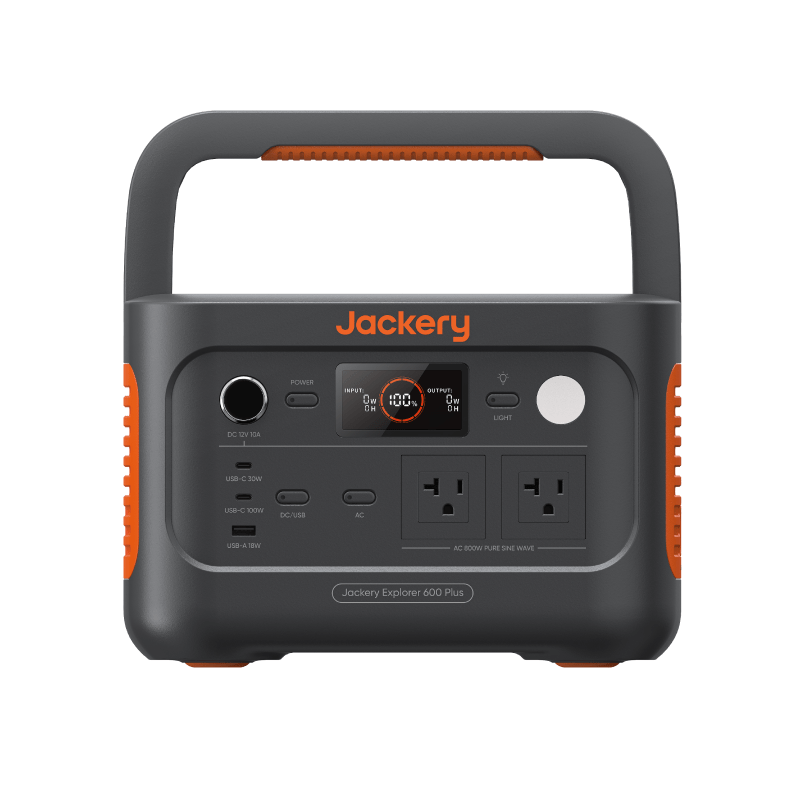
Jackery Explorer 600 Plus Portable Power Station
632Wh
800W AC
$300–$500
At the editorial 55W planning input, our formula puts an eight-hour night at 575 Wh. This is the smallest station in our catalog that clears that calculated capacity target; it does not prove compatibility with a particular medical setup.
55W planning input: ≈ 8 hr 47 min per charge
75W high planning input: ≈ 6 hr 27 min — less than a full eight-hour night
The named-model source does not establish every CPAP, pressure setting, heated hose, or humidifier. Confirm or measure the complete prescribed setup before treating this capacity example as a plan.
Review is 45 days old — verify the current price and specifications before buying. Not hands-on tested by us — verify capacity, output, and surge rating on the listing.
Also consider · High planning input or more runtime
EcoFlow
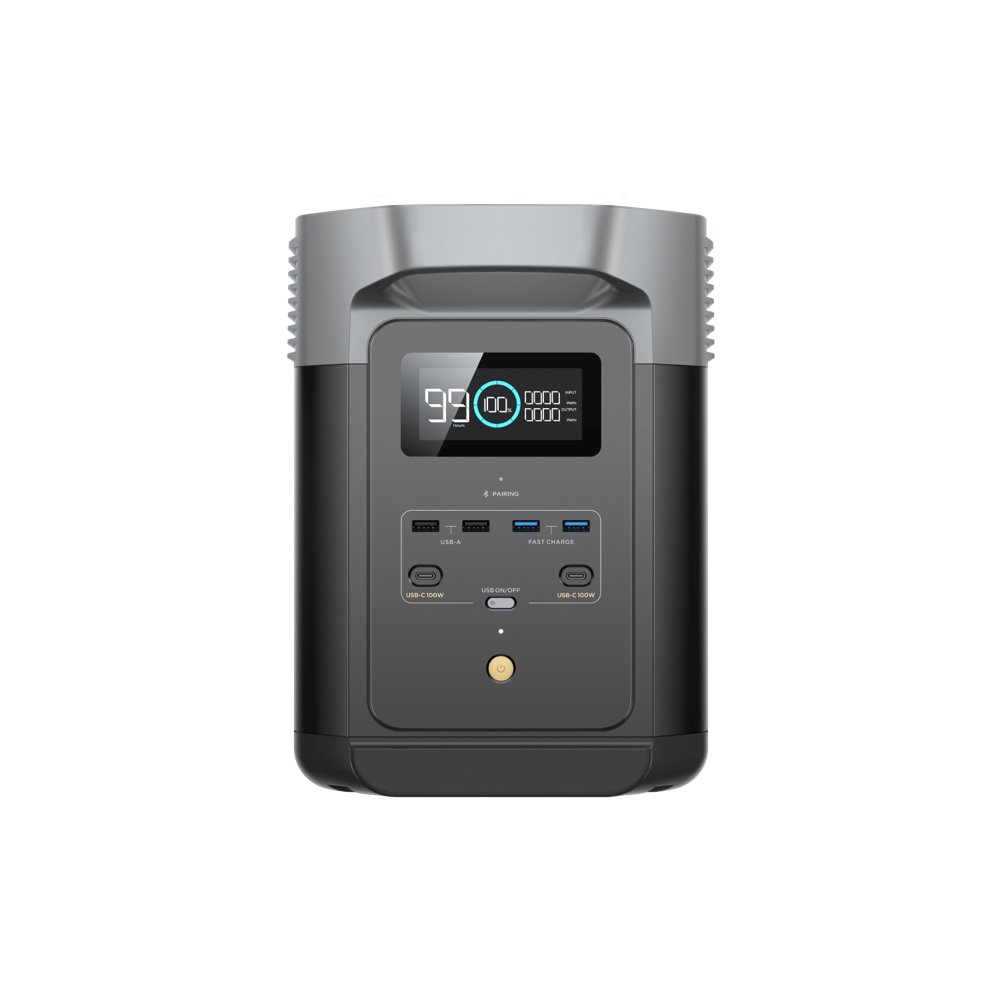
EcoFlow DELTA 2 Portable Power Station
1,024Wh
1,800W AC
$499–$999
At the envelope's 75W high planning input, an eight-hour target is about 784 Wh. This station clears that calculated capacity and gives more room for a verified higher draw or a longer outage without assigning an unsupported humidifier number.
75W high planning input: ≈ 10 hr 27 min per charge
55W planning input: ≈ 14 hr 15 min per charge
Extra capacity is not medical compatibility. Verify the station output, transfer behavior, cable, and complete device setup with both manufacturers.
Review is 44 days old — verify the current price and specifications before buying. Not hands-on tested by us — verify capacity, output, and surge rating on the listing.
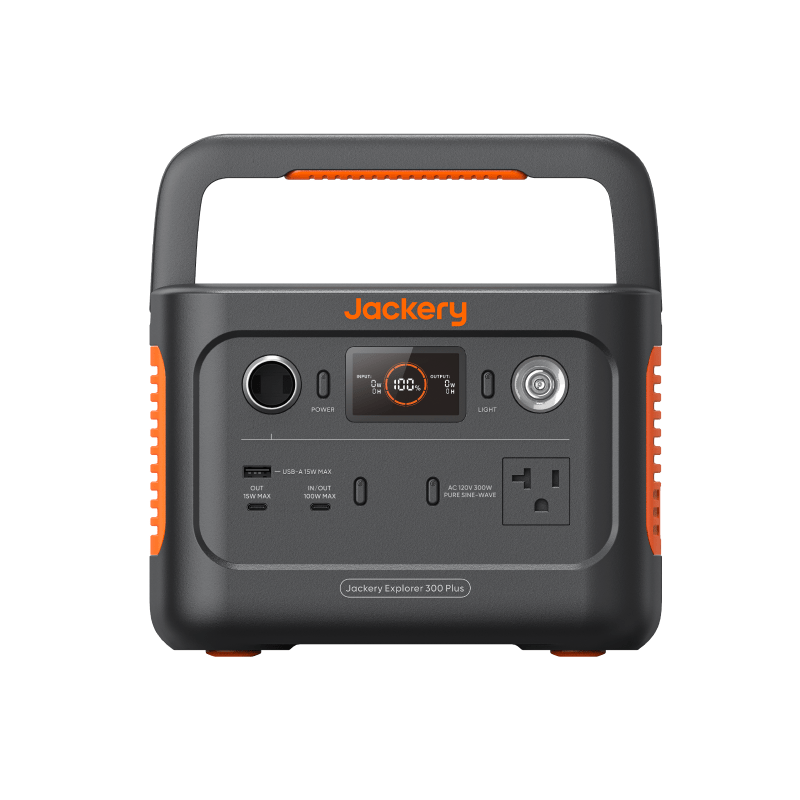
The lightest AC-outlet option in our catalog — a nightstand-friendly unit for travel or as a second battery. Honest limit: it does not cover a full eight hours at the editorial 55W planning input.
55W planning input: ≈ 4 hr per charge
30W low planning input: ≈ 7 hr 21 min — still verify the complete setup
Buy this class only for partial-night insurance or travel — not as your primary outage plan for sleep therapy.
Review is 45 days old — verify the current price and specifications before buying. Not hands-on tested by us — verify capacity, output, and surge rating on the listing.
Prices last checked between 2026-07-08 and 2026-07-15; review overdue — verify current listings
The math: one night of CPAP, honestly sized
Watts × hours is the starting point, but a battery's label capacity is not what reaches your machine. Converting battery power to AC through an inverter typically costs about 15%, and we hold back a 10% reserve for battery aging, cold bedrooms, and estimate error. That is the same published formula behind every calculator on this site — nothing on this page uses different math.
What an 8-hour night needs, by CPAP draw (85% efficiency, 10% reserve)
Machine draw
Energy at the device
Battery capacity to shop for
Low end (30W)
240 Wh
314 Wh
Editorial planning point (55W)
440 Wh
575 Wh
High planning input (75W)
600 Wh
784 Wh
Draw figures are an editorial planning envelope from our Device Wattage Library. The cited AirSense 11 guide supports one named-model test, not a class range or your prescribed setup. Confirm the exact model, pressure, heated accessories, cable, and operating mode with the manufacturer.
Heated accessories are a verify-first fork
A heated humidifier or hose can change demand, but this evidence pack does not establish a universal wattage, multiplier, or battery class for it. Manufacturer test conditions differ, and the complete prescribed setup is what matters. Use an exact published requirement or a representative overnight measurement, then enter that verified wattage in the calculator. Do not disable a prescribed feature for runtime without guidance from your clinician or device manufacturer.
Two honest cautions
This is a medical load, so estimates are not good enough. Every figure here is planning math from an editorial wattage envelope. Before you rely on any battery, confirm your exact machine's power requirements with its manufacturer and your doctor — and test the setup on an ordinary night, not during an outage.
Automatic switchover is not guaranteed. A power station only takes over mid-sleep if your machine is plugged in through it and the station's pass-through behavior handles the transfer. Verify the claimed switchover time on the station's spec sheet and your machine's tolerance for it — or simply plug the CPAP into the station directly and run from battery on stormy nights.
Some links on this page may be paid links. If you buy through them, Cynosure LLC may earn a commission at no extra cost to you. We do not claim to have personally tested products unless clearly stated.
The links open the Multi-Device Load Builder pre-loaded with a CPAP night (8 hours) — edit the hours or add the rest of your nightstand and the watt-hour target updates with the same published formula used on this page.
Compare the picks side by side
Some links on this page may be paid links. If you buy through them, Cynosure LLC may earn a commission at no extra cost to you. We do not claim to have personally tested products unless clearly stated.
CPAP backup picks, side by side
Product
Capacity
Output
Ports
Weight
Est. price
Ideal for
Link
Jackery Explorer 600 Plus Portable Power StationJackery
632Wh
800W AC
AC ×2 (800W total, 1600W surge), USB-C 100W, USB-C 30W, USB-A 18W, 12V car port
16.1 lb
$300–$500
A full laptop workday plus phone charging, A day or more of router and modem backup, Weekend camping electronics, Fans, lights, and a CPAP-class device together
4× AC outlet (1800W, 2700W surge), 2× USB-C (100W), 2× USB-A, Car port
27 lb
$499–$999
Carrying a fridge plus electronics through a multi-hour outage, Home backup you can expand later (to 2048Wh+ with add-on batteries), Fast recharge — roughly 0–80% in under an hour
Jackery Explorer 300 Plus Portable Power StationJackery
288Wh
300W AC
AC ×1 (300W, 600W surge), USB-C ×2 (100W max), USB-A ×1, 12V car port
8.27 lb
$200–$300
Router and modem backup for a workday, Charging phones and tablets for days, A laptop for a few hours via the 100W USB-C port, Car trips and short outages
12V car-style or DC source plug, Device-specific output connector, Voltage conversion on compatible models
0.5–1.5 lb
Varies by CPAP model
Running a compatible CPAP from a station's DC output, Avoiding AC-inverter overhead during overnight use, Travel and outage kits built around a known CPAP model
Prices last checked between 2026-07-08 and 2026-07-15; review overdue — verify current listings
Catalog products whose current published capacity and output specifications fit this scenario. We haven't hands-on tested them, so confirm current specs and price on the listing. We may earn a commission, at no extra cost to you.
The printable checklist now — then short, occasional notes when one of our recommended picks changes or we spot a real price drop. Nothing on a schedule, unsubscribe anytime.
Frequently asked questions
How many watt-hours does a CPAP use per night?+
Our illustrative 30–75W planning envelope works out to 240–600Wh at the device over eight hours, or roughly 314–784Wh of rated battery under our 85% efficiency and 10% reserve assumptions. It is not a CPAP-class measurement: the cited AirSense 11 guide reports one named-model test, and your machine, settings, accessories, and prescribed setup can differ.
Can I run the heated humidifier on battery power?+
Possibly, but we do not apply a universal humidifier wattage or multiplier. The cited AirSense 11 test does not isolate every heated accessory, and another machine or setting can differ. Use the power requirement in your exact device guide or measure the complete prescribed setup over a representative night; ask your device manufacturer and clinician before changing therapy features to save power.
Will a power station switch to battery automatically if the power fails while I sleep?+
Only if the machine is plugged in through the station and the station supports pass-through (UPS-style) operation. Switchover behavior and speed vary by model and are usually specified for electronics — so verify the station manufacturer states a switchover time, and confirm with your CPAP manufacturer that a brief transfer gap is acceptable for your machine. If automatic continuity is non-negotiable, ask the device maker what backup arrangement they support.
Is a DC cable better than the AC power brick?+
A manufacturer-supported DC kit can skip the station’s AC inverter and its conversion losses, but compatibility and supported accessories vary. Use only a cable the device manufacturer approves for your exact model and confirm what the complete prescribed setup supports on DC power.
Affiliate disclosure
Some links on this page may be paid links. If you buy through them, Cynosure LLC may earn a commission at no extra cost to you. We do not claim to have personally tested products unless clearly stated.
Calculations are estimates only. Real runtime depends on battery age, inverter efficiency, device behavior, temperature, surge loads, manufacturer limits, and actual measured wattage. Always verify product specifications before buying or relying on a setup.
This site provides planning estimates, not electrical, medical, or emergency safety advice.
Wattage figures for medical devices are illustrative only. Always confirm power requirements with the device manufacturer and your doctor before relying on battery backup. This is not medical advice.